How to Choose a Web Designer in Bradenton: A No-Nonsense Guide
Choosing A Designer

Choosing a web designer is mostly a trust decision wearing a technical decision's clothes. 48% of people say a company's web design is the best indicator of whether that company is credible (Forbes Advisor, via Robotics & Automation News, 2026). Which means the same judgment your future customers make about you, you have to make first about whoever builds your site.
This guide is the hub for everything we've written about choosing, vetting, and working with whoever builds your website. DIY vs. hiring, red flags to watch for, and what actually separates a local studio from a national agency from a freelance marketplace listing.
Key Takeaways
51% of DIY website projects get abandoned before launch (All About Cookies, 2025), and 48% of people judge a company's credibility by its website design (Forbes Advisor, via Robotics & Automation News, 2026).
Real red flags are specific and checkable: guaranteed rankings, no ownership access, 100% upfront payment, and pressure to decide on the call.
"Custom" and "template" aren't just price tiers, they determine how much your site can actually grow with your business later.
Should You DIY Your Website or Hire a Pro?

More than half of DIY website projects, 51%, get abandoned before they ever launch, according to a May 2025 survey of 1,000 U.S. adults (All About Cookies, 2025). "Free" or cheap often means free until your own time runs out, not free as in finished.
The DIY-vs-hire decision isn't really about skill, it's about which hours you're willing to spend. A DIY builder trades money for your own time. Troubleshooting a template, fighting a plugin, redoing a layout that looked fine in the preview and broken on a phone. Hiring doesn't have to mean a five-figure agency retainer either: a simple landing page starts at $1,250, closer to a DIY builder's total cost over a couple of years than to what most people assume "hiring a professional" runs.
Should you DIY your website or hire a pro?
What Questions Should You Actually Ask Before Hiring a Web Designer?
The questions that matter most aren't about design taste. They're about ownership, timeline, and what happens after launch. Who owns the domain, the files, and the content once the project's paid off? What's the realistic timeline? What's included in the price versus billed separately later?
The single most revealing question we get asked on a first call is "what happens if I want to leave later?", and the answer to that question tells a business owner more about who they're hiring than anything in a portfolio. A designer with a straight, immediate answer to that is a good sign; hesitation or vagueness is the answer itself.
Other questions worth asking directly: how many pages does this price actually include, and what happens if I need one more later? What platform is this built on, and can I move it elsewhere if I ever need to? Who do I actually talk to if something breaks after launch, you, or a support ticket queue?
[Links to: 10 questions to ask any Bradenton web designer before you hire them — coming soon]
What Sales Tactics Should Make You Pause?

Specific, checkable red flags exist: guaranteed page-one Google rankings, demands for 100% payment upfront, and no written contract at all (Robotics & Automation News, 2026). None of these require technical knowledge to catch, they're about how someone sells, not how they build.
High-pressure lines like "your site is losing you money right now" or "this price is only good if you sign today" are manipulation tools, not honest scarcity. A business with genuine capacity and confidence in its own pricing doesn't need to rush your decision.
[Links to: red flags: website sales tactics that should make you pause — coming soon]
Local Designer, National Agency, or Freelance Marketplace: Which Fits Your Business?
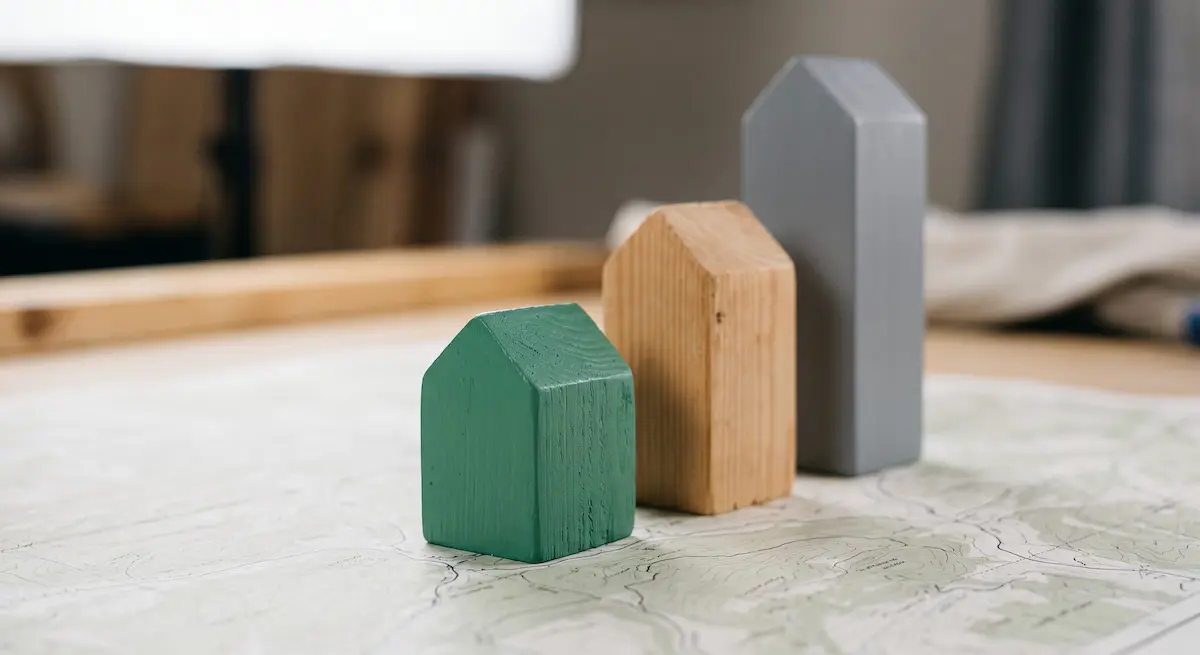
Price ranges differ sharply by who you hire: a national freelancer typically runs $3,000-$10,000 for a custom small business site, while a full-service agency runs $5,000-$75,000 depending on scope (WebFX, 2026). A local studio like Deyo Creative Studio starts lower. $1,250 for a landing page, $2,000 for a full 5-6 page site, without the overhead of a larger agency.
Each option trades something for something else: a national agency often means more process and more layers between you and whoever's actually building; a freelance marketplace listing can mean the lowest price but the least accountability if something goes wrong after launch; a local studio sits in between, usually with direct contact and local accountability, at a price closer to freelancer than agency.
The factor most Bradenton business owners underweight is proximity, not price. A local studio understands Manatee County's seasonal cash-flow patterns, knows what a Bradenton customer actually searches for, and can meet in person if that ever matters. None of which shows up on a pricing page, but all of which shows up later when something needs fixing fast.
[Links to: local web designer vs. national agency vs. freelance marketplace: pros and cons — coming soon]
What Does "Custom Website" Actually Mean?
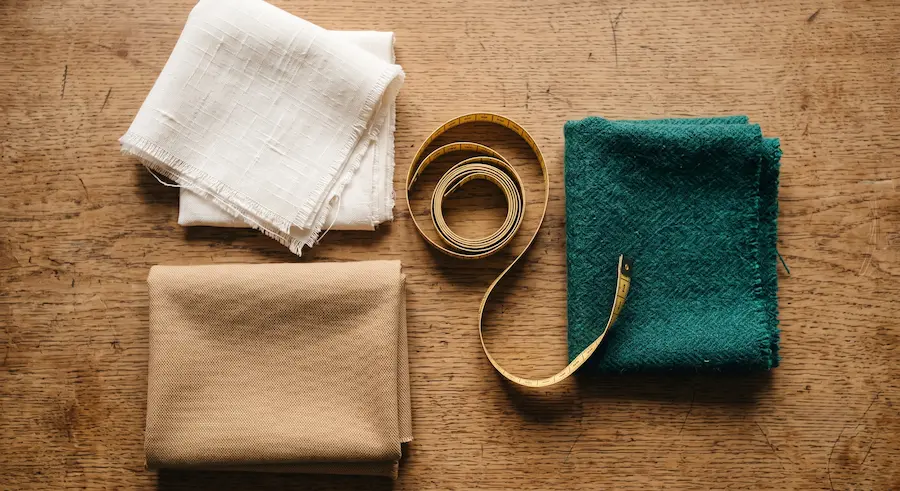
"Custom" should mean a site structured around your actual services and content, not a stock template with your logo swapped in. And it's worth confirming which one you're actually being sold, since the two can look identical in a sales demo. Visual design alone drives 96.3% of a visitor's snap first impression of a business (Nielsen Norman Group, 2026), so a template that doesn't quite fit your business costs you at the exact moment it matters most.
A genuinely custom site isn't defined by "nobody else has ever used this design". It's defined by structure built around your actual services and clean navigation across every page you actually need, not a fixed set of sections a template forces you into.
Squarespace vs. Wix vs. custom and what "custom website" actually means — coming soon]
What Happens After Your Site Launches?
Launch day is the start, not the finish. 37% of ransomware victims have fewer than 100 employees, and 46% of all cyber breaches hit businesses with fewer than 1,000 employees (StrongDM, 2026). Whoever you hire, ask what happens to your site in year two, not just at launch.
A website is closer to a storefront than a sign you install once. The lock, the lights, and the paint all need occasional attention, even when nothing looks obviously broken.
What happens after your website launches?
How Do You Fire a Web Designer (And Keep Your Site)?

The question to ask before you ever need the answer is whether you own the domain, the content, and the finished files outright. Regardless of who you hire or whether you continue paying for support. Losing that ownership over a lapsed support payment, or a relationship that ended badly, is a red flag in the original contract, not something to discover after the fact.
Firing a web designer badly usually isn't about the designer being bad. It's about nobody having confirmed ownership terms up front, so the split becomes a negotiation instead of a formality. A clean transition means requesting your domain registrar access, your hosting or CMS login, and your actual content files, in writing, ideally before you've announced anything is changing.
[Links to: how to fire your web designer (and what to do with your website after) — coming soon]
Does Template vs. Custom-Coded Actually Matter?
It matters more as your business grows than it does on day one. A template is often genuinely fine for a simple, five-page brochure site with no unusual functionality. The gap shows up later, when you need a booking system, an unusual layout, or a feature the template's structure wasn't built to support.
Since 96.3% of a first impression comes down to visual design rather than words on the page (Nielsen Norman Group, 2026), the real question isn't "does custom-coded beat template on a technical spec sheet", it's whether the template you're looking at actually fits your specific business, or whether you're bending your business to fit the template instead.
[Links to: template vs. custom-coded: does it actually matter for a small Bradenton business? — coming soon]
Frequently Asked Questions
Is it ever okay to build my own website instead of hiring someone?
Yes, if your needs are genuinely simple and you're comfortable maintaining it yourself. The tradeoff is real: 51% of DIY projects get abandoned before launch, so weigh your own follow-through honestly, not just the sticker price.
What's the single biggest red flag when hiring a web designer?
No clarity on ownership. If a contract doesn't clearly state that you own the domain, files, and content once paid for, everything else about the pitch matters less.
Is a more expensive web designer always the better choice?
No. Price differences often reflect overhead and process more than raw skill. A smaller local studio can deliver the same custom fundamentals as a national agency at a lower price point, with more direct contact.
How do I know if I'm getting a truly custom website or a dressed-up template?
Ask directly whether the structure is built around your specific services or fits into a fixed template layout. A designer who can't answer clearly is often selling the second one as the first.
Get a Free Website Review → /service-area/bradenton-fl
Stay Inspired
Get fresh design insights, articles, and resources delivered straight to your inbox.