The Real Cost of a Small Business Website in Florida (2026 Guide)
Website Cost/Budget

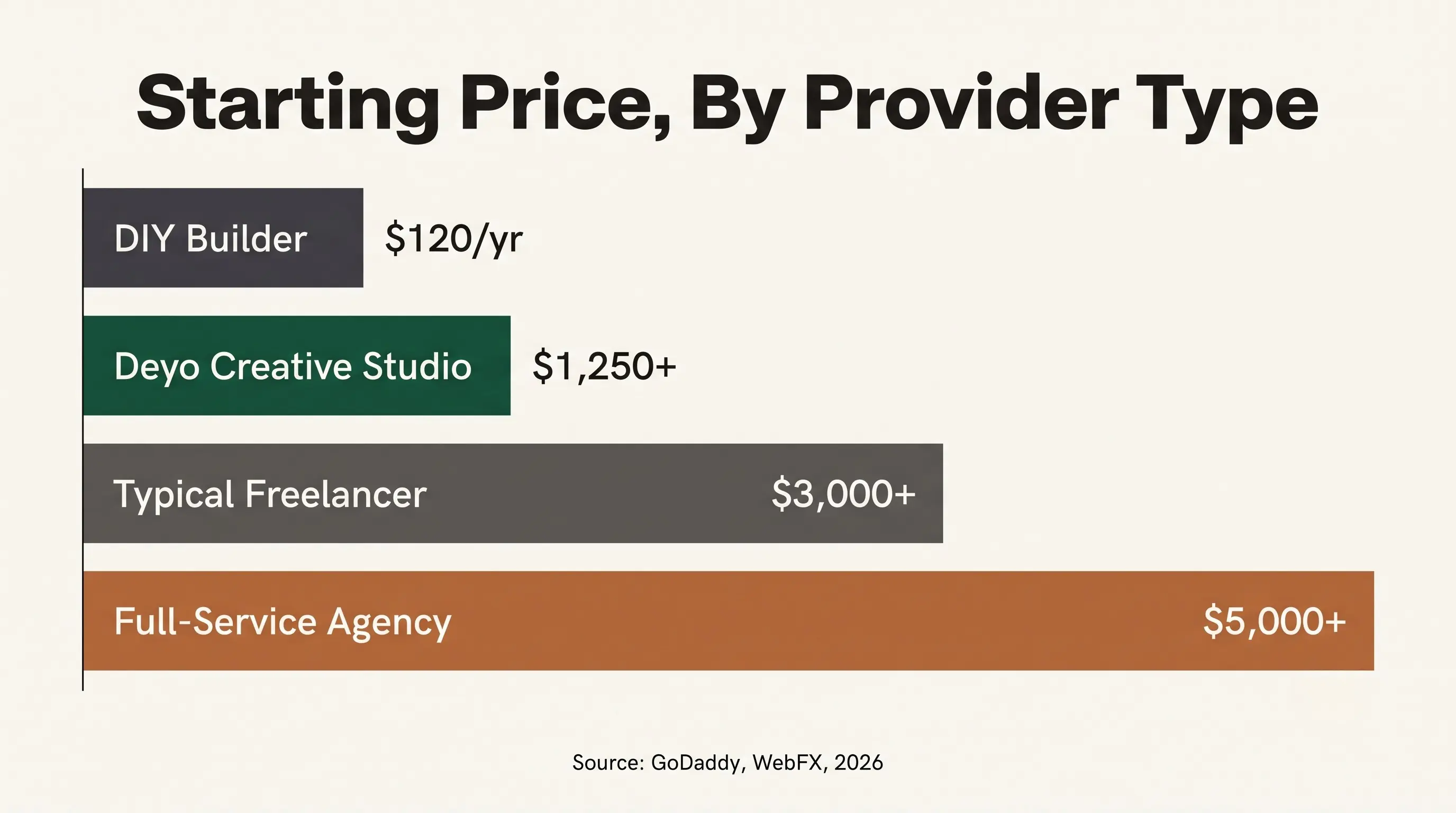
A website can cost anywhere from $120 a year to $75,000 or more, and almost none of that spread has anything to do with living in Florida. A DIY builder subscription runs $120-$300 a year (GoDaddy, 2026), a freelancer-built site typically runs $3,000-$10,000, and a full-service agency build runs $5,000-$75,000 depending on scope (WebFX, 2026).
That range is wide enough to be useless on its own. What actually matters is knowing where your project falls in it, and why, so you can tell a fair quote from a padded one before you sign anything.
Key Takeaways
Website costs range from about $120/year (DIY) to $75,000+ (full agency build); most Bradenton small businesses land in the low-to-mid four figures for a custom site (WebFX, GoDaddy, 2026).
Deyo Creative Studio's own project pricing starts at $1,250 for a single landing page and $2,000+ for a full 5-6 page site. Below the typical national freelancer range, with the same starting prices whether it's a new build or a rebuild (Deyo Creative Studio, 2026).
The price gap comes down to page count, template vs. custom design, and added functionality, not geography.
How Much Does a Website Cost, Realistically?
Realistically, expect $120-$300 a year for a DIY builder, $3,000-$10,000 for a freelancer-built custom site, or $5,000-$75,000 for a full agency build, depending on scope and features (WebFX, GoDaddy, 2026). Most small Bradenton businesses land well below the top of that range, not near it.
For the full breakdown of what lands where and why, see our detailed post on how much a small business website actually costs in Florida. The short version: page count, design approach, and added features drive nearly all of the difference, not which state you're in.
If there is a real "Florida factor," it isn't statewide pricing. It's the local competitive market and seasonal cash flow. Bradenton has roughly half a dozen studios actively competing for the same small business clients, which keeps quotes closer to the freelancer tier than the agency tier for most projects here. For a charter operator, restaurant, or short-term rental tied to snowbird season, the bigger question isn't "what's the Florida price," it's "can I afford to launch before the season I actually need it for", which is a budgeting and timing question, not a geography one.
Why Does the Price Range Swing So Widely?
The price swing almost always comes down to three things: how many pages the site needs, whether the design is templated or built around your business from scratch, and whether it needs anything beyond basic pages. Booking, e-commerce, or a client portal all add real cost (WebFX, 2026). A five-page site for a landscaper and a twenty-page site with online ordering for a restaurant are both technically "a small business website," but they aren't the same job.
That's also why "redecoration" and "rebuild" carry different price tags even on the same existing site. A visual refresh that keeps the underlying structure typically runs $3,000-$5,000, while a full rebuild, new structure and new design, runs $7,000-$15,000 (WebFX, 2026). If your site shows the signs it's time for a rebuild rather than a refresh, patching those issues piecemeal usually costs more in the end than starting clean.
What Does Deyo Actually Charge for a Bradenton Website?
Deyo Creative Studio's published pricing starts at $1,250 for a simple, single-goal landing page and $2,000 for a full 5-6 page website covering home, about, services, and contact (Deyo Creative Studio, 2026). Those are real starting prices, not teaser rates that balloon once you're on a call — and they hold whether you're building your first site or replacing one that isn't working.
Compare that to the $3,000-$10,000 national freelancer range cited above (WebFX, 2026), and Deyo's entry pricing sits noticeably below typical freelancer rates for the same category of work, without the overhead (or the impersonal handoffs) of a larger agency. You're still getting a custom-built, mobile-ready site; you're just not paying agency layers to get it.
Two things move the number up from there: going past 5-6 pages, which is priced per additional page and confirmed on your call, and non-standard elements like online booking or e-commerce, which get scoped and priced individually rather than folded into a flat rate. Nothing gets tacked on as a surprise fee later. It's the same conversation every project gets before work starts.
Is a Free or Cheap Website Builder Actually Worth It?
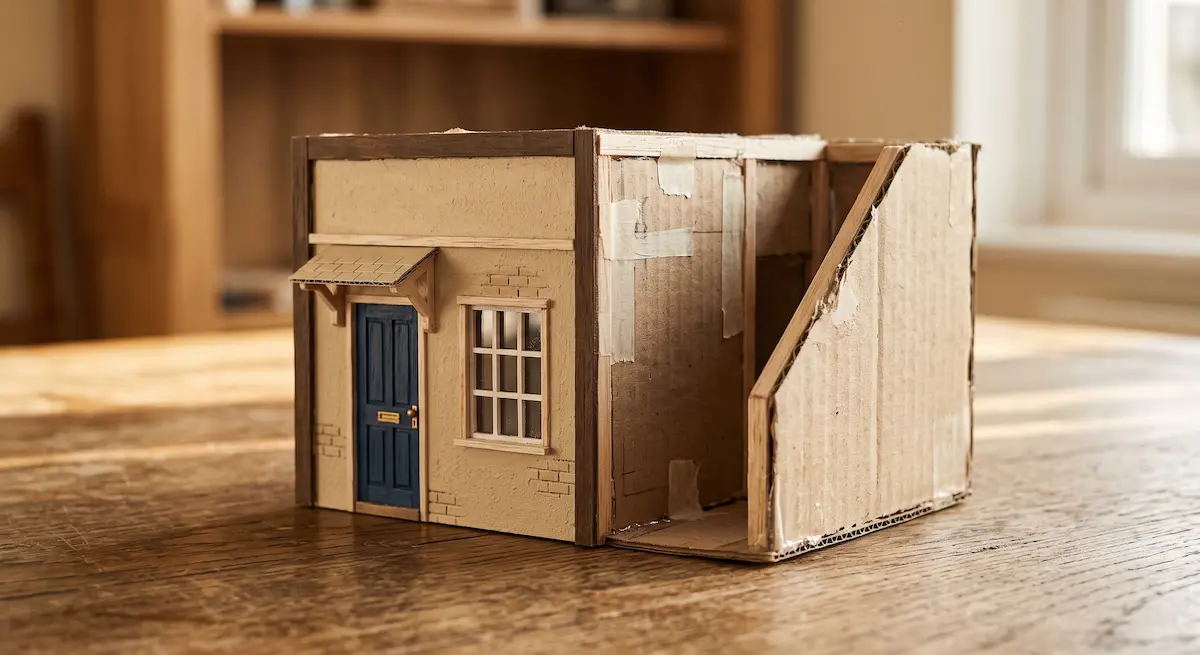
Free and cheap DIY builders are worth it if your needs are genuinely simple, but more than half of people who start a DIY website project never finish it. 51% abandon it before launch, per a May 2025 survey of 1,000 U.S. adults (All About Cookies, 2025). "Free" often means free until your time runs out.
The sticker price is real: a DIY builder subscription runs $120-$300 a year, and basic self-hosting for a custom site can run as little as $2-$10 a month on shared hosting (Hostinger, 2026). What that price doesn't include is your own hours spent fighting a template into looking right, troubleshooting a plugin, or giving up halfway through, which is exactly what that 51% abandonment figure reflects. If your business is simple and you enjoy the tinkering, a builder can genuinely be enough. If you'd rather spend those hours running the business, that's the trade you're actually making.
What Should a Website Contract Actually Include?

A website contract should always spell out who owns the finished site, what happens if you stop paying for support, and what's included versus billed separately. Three things a lot of cheap contracts leave vague on purpose. Ownership is the single biggest risk in a low-cost deal, not the price tag itself.
Some budget arrangements quietly keep the developer as the owner of the site files, the hosting account, or even the domain. Meaning if you ever want to leave, you're rebuilding from zero instead of taking your site with you. Before you sign anything, confirm in writing that you own the domain, the content, and the finished files outright, regardless of who you hire.
This is genuinely new ground for a small business owner comparing quotes, and it deserves its own deeper breakdown. Something we'll cover in full in an upcoming post on choosing and vetting a web designer.
What Does Ongoing Support Actually Cost?
Ongoing support for a small business site typically runs $50-$250 a month nationally (Gravitate, 2026); Deyo Creative Studio's own plan runs a flat $125 a month, covering domain hosting and maintenance (Deyo Creative Studio, 2026). Skipping support entirely is how a site quietly drifts back onto the "needs a rebuild" list within a few years.
A website isn't a one-time purchase. It's closer to a piece of equipment that needs occasional upkeep to keep working the way it did on day one. Support billing starts on launch day, not before, and sites carrying their own third-party feeds (a Google Reviews widget, an Instagram feed) or heavier technical builds may run a little above that baseline, confirmed before you're ever billed for it, not added as a surprise later. For the full picture of what happens after launch, see our guide to website support.
Financing a Website When You're Starting Out
You don't need the full project cost sitting in the bank before you start. Deyo Creative Studio splits payment into two halves. Half up front once scope is agreed, half at launch, when the site is actually live, not before (Deyo Creative Studio, 2026). Some financing partners separately work with businesses whose books "don't look their best at the moment" (Webstix, 2026), which matters for a business that's brand new or between seasons.
If you're just starting out, or you're a seasonal Bradenton business timing a launch ahead of snowbird season, ask directly about the payment structure before assuming a custom site is out of reach. A two-payment split tied to real milestones, agreement, then launch, is normal in this industry, not a favor.
That structure also means you're never paying in full for a site that doesn't exist yet: the second half is due only once the site is live and working, which puts a meaningful share of the risk on whoever's building it, not just whoever's paying for it.
How Do You Spot an Unfair Quote?
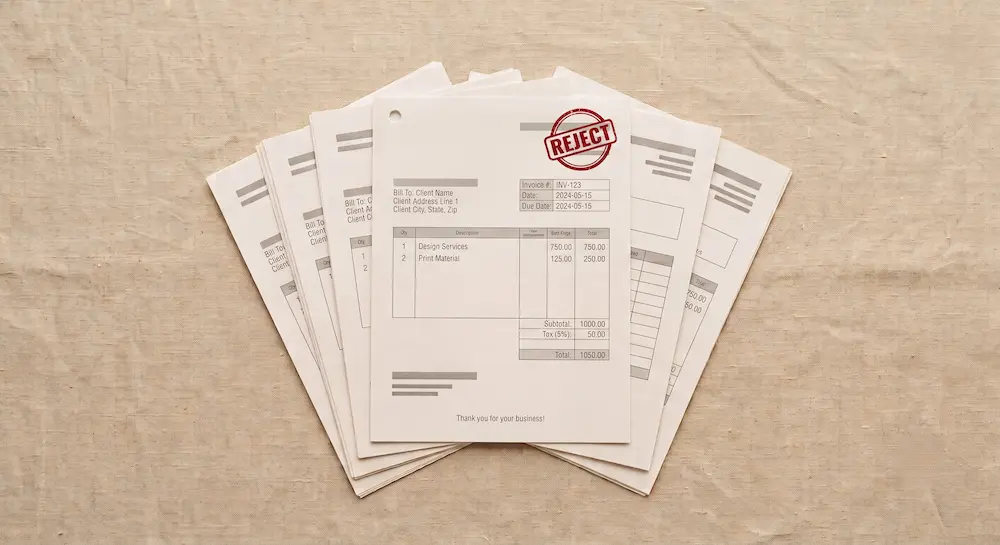
An unfair quote usually isn't the highest number you receive. It's the one with no scope attached to it. Watch for a price with no page count, no list of what's included, and no mention of who owns the finished site once you've paid for it.
A few concrete red flags worth checking before you sign anything:
No written scope. If the quote doesn't say how many pages, or what happens if you need one more, the number isn't really a quote yet.
Pressure to decide on the call. A legitimate quote holds for at least a few days. Same-call urgency is a sales tactic, not a pricing reality.
Ownership left unstated. If the contract (or lack of one) doesn't say you own the domain and files, assume you don't. See the contract section above.
A price far below every range cited on this page. Extremely low bids often mean an unfinished template, no support after launch, or both.
None of this requires guessing. Ask directly, and a straight answer to a direct question is itself a useful signal about who you're about to hire.
Frequently Asked Questions
Who owns my website if I stop paying for support?
That depends entirely on your contract. Confirm in writing, before you sign, that you own the domain, content, and finished files regardless of whether you continue a support plan. Losing ownership over a lapsed support payment is a red flag, not standard practice.
Can I start with a cheaper option and upgrade later?
Yes, though it's rarely a clean upgrade. Moving from a DIY builder to a custom-built site usually means rebuilding rather than porting content over, so if you expect to grow quickly, it's often cheaper long-term to start closer to where you'll end up.
What should always be in a website contract?
Ownership terms, what's included versus billed separately, timeline, and what happens if either side wants to end the relationship. A contract that's vague on ownership is the biggest risk factor, regardless of the price quoted.
Is Deyo's pricing lower than typical freelancer rates for a reason?
Yes. A landing page starts at $1,250 and a full 5-6 page site starts at $2,000 (Deyo Creative Studio, 2026), below the $3,000-$10,000 national freelancer range (WebFX, 2026), because pricing is scoped to your actual project on a real call rather than padded for a sales process.
Do I need financing to afford a professional website?
Not necessarily. Deyo's own structure splits payment in half , half up front, half at launch, rather than requiring the full cost before work starts, and outside financing is worth asking about directly if cash flow timing is still the obstacle.
Get a Real Number, Not a Range
Every business's actual quote depends on pages, features, and timeline — the ranges above show what's out there, not your invoice. Tell us what your Bradenton business actually needs, and get a specific number after a short call.
Stay Inspired
Get fresh design insights, articles, and resources delivered straight to your inbox.